
Photo by Nationaal Archief on Unsplash
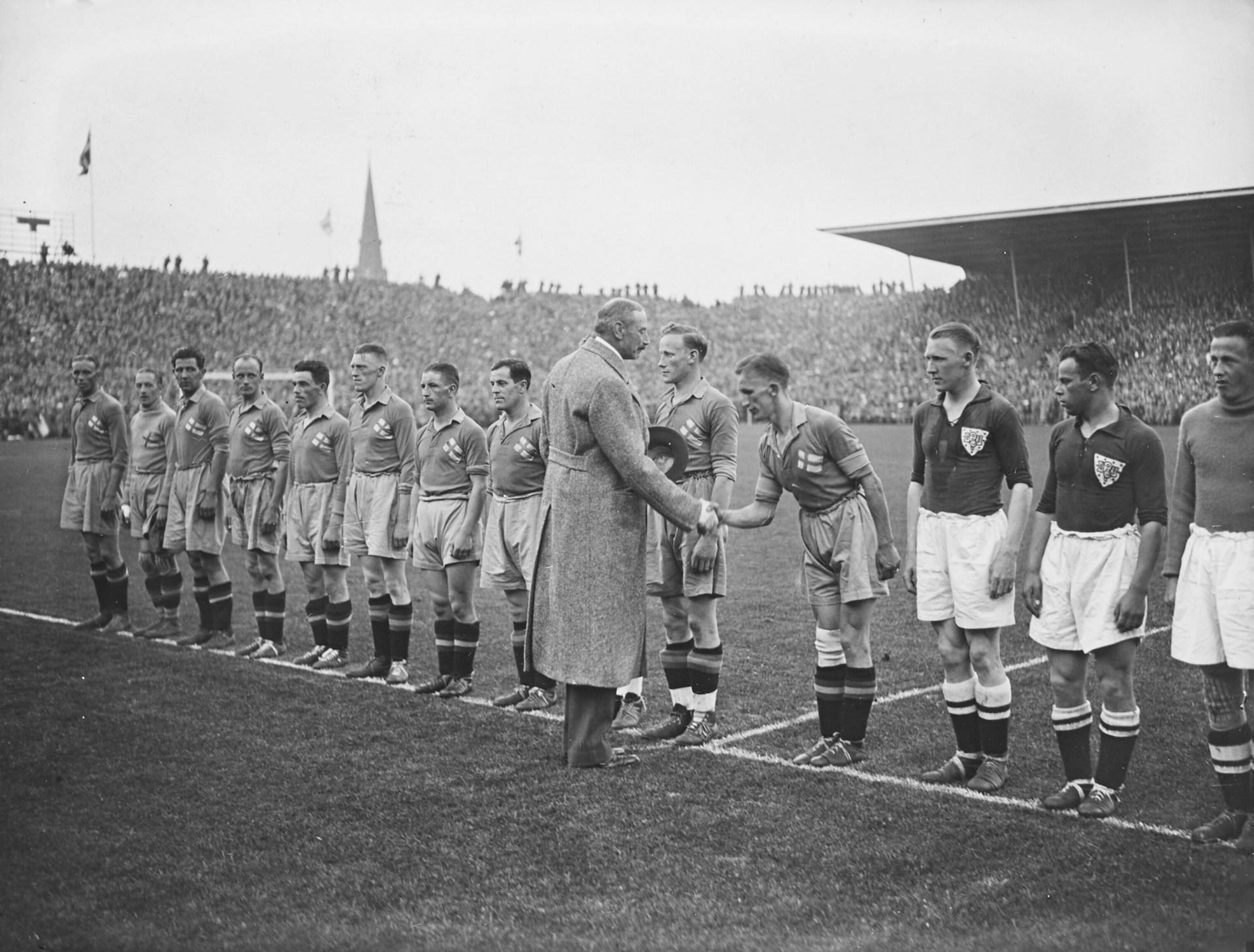
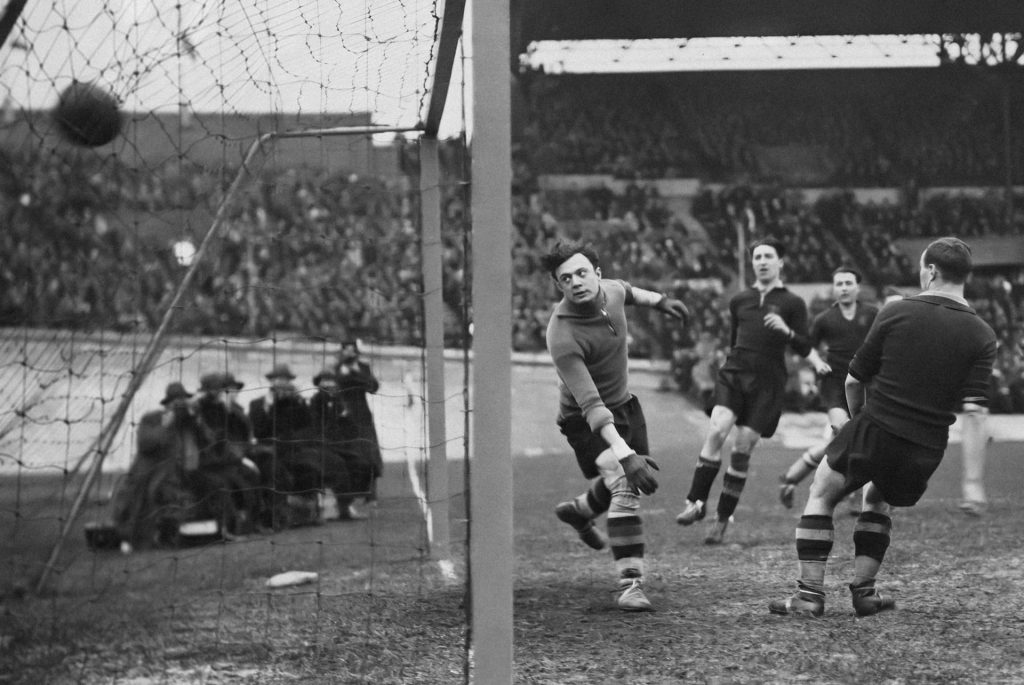
Have you ever wondered what football looked like before the multi-million dollar stadiums and the shiny trophies? Before the Premier League was even a whisper of an idea, a group of “forgotten pioneers” were kicking leather balls in muddy English fields, arguing over whether you should be allowed to trip your opponent.
Today, we celebrate the giants like Real Madrid or Manchester United, but the true DNA of the sport belongs to the small, gritty clubs that drafted the rules when there were none. Let’s take a journey back to the mid-19th century to meet the oldest football clubs in the world.
The Genesis: Why the First Clubs Weren’t Professionals
In the 1850s, football wasn’t a career; it was a chaotic pastime. Most of the earliest football clubs weren’t formed by athletes, but by cricketers who wanted to stay fit during the winter or former students from “public schools” (like Eton and Harrow) who missed the games of their youth.
The Search for Standard Rules
The biggest hurdle for these pioneers was that every club played by different rules. In some cities, you could catch the ball; in others, you’d be kicked for doing so.
This period of “experimental football” is what eventually led to the 1863 meeting at the Freemasons’ Tavern, but the clubs existed long before the laws did.
Sheffield FC: The World’s Oldest Football Club
Photo by The Royal Danish Library on Unsplash
If there is a “Holy Grail” in the history of the sport, it is Sheffield FC. Founded in 1857 by Nathaniel Creswick and William Prest, this club is officially recognized by FIFA as the oldest club in the world.
Why Sheffield Matters More Than You Think
While most people think London is the home of football, it was the “Sheffield Rules” that introduced things we take for granted today:
- The Crossbar: Before Sheffield, they just used a piece of tape.
- Corner Kicks and Free Kicks: These were Sheffield innovations.
- Heading the Ball: Hard to believe, but before Sheffield, using your head was considered strange!
Writing about Sheffield FC isn’t just a history lesson; it’s an acknowledgment of the pioneers of the beautiful game who gave the sport its structure.
The “Original Six”: Other Ancient Clubs You Should Know
While Sheffield holds the title, they weren’t alone. Several other clubs were forming during this “Big Bang” of football history.
Hallam FC (1860)
Just three years after Sheffield FC, Hallam FC was born.
They play at Sandygate Road, which is officially the oldest football ground in the world. Imagine playing a match today on the same grass where Victorian men played in heavy leather boots over 160 years ago!
Notts County (1862) – The Oldest Professional Club
There is a slight distinction here: Notts County is the oldest professional club. While Sheffield remained amateur for a long time, Notts County led the charge into the professional era.
Civil Service FC (1863)
Based in London, they were the only club to play in both the very first FA meeting and the very first rugby meeting.
They represent the “fork in the road” where the two sports finally went their separate ways.
How the “Oldest Clubs” Impacted Modern Tactics
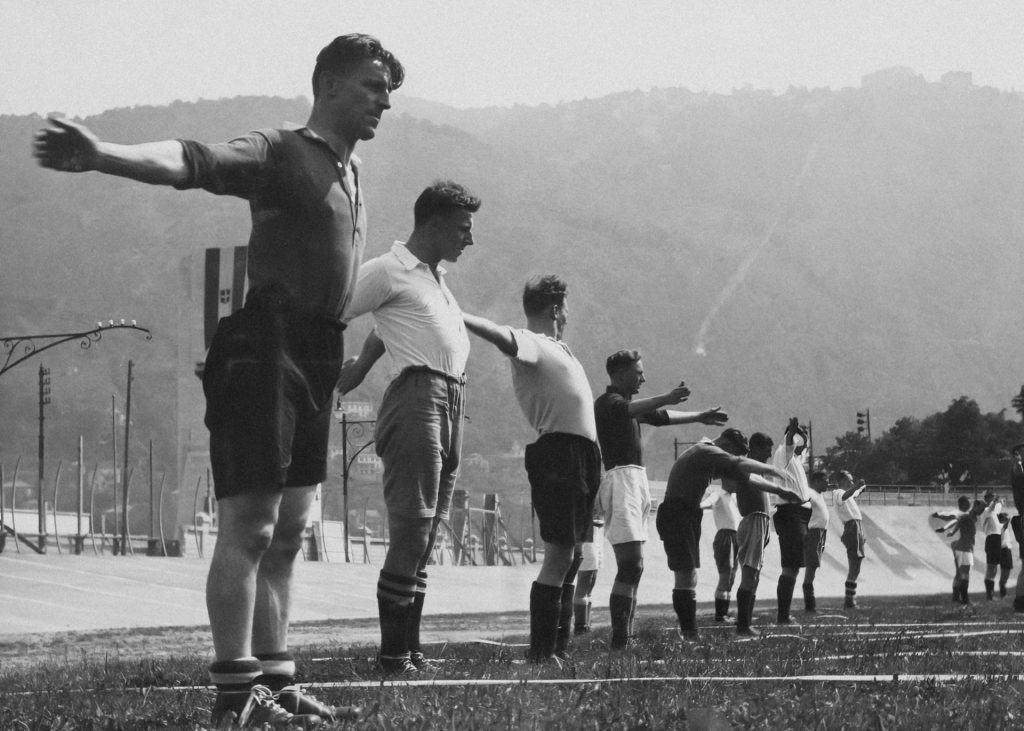
You might ask: Does this history actually matter for today’s fans? The answer is a resounding yes.
The early football club history explains why the game is played the way it is.
The Introduction of Passing
In the earliest days, football was a “dribbling game.” You would put your head down and run until you were tackled.
It was Queen’sPark FC (founded in 1867 in Scotland) that pioneered the “passing game.”
They realized that moving the ball between players was faster than running with it.
This “Scottish Style” eventually transformed football into the tactical chess match we see today.
Forgotten Global Pioneers: Football Beyond England
While the UK is the cradle of the sport, the global evolution of football clubs happened rapidly as British sailors and engineers traveled the world.
- Recreativo de Huelva (1889): The “Dean” of Spanish football, founded by British mine workers.
- Genoa CFC (1893): The pioneer of Italian football.
- Koneen SC (1887): One of the first organized clubs in the Netherlands.
These clubs often struggle to compete with the modern “Super Clubs” financially, but their legacy is what keeps the local spirit of the game alive.
How to Visit the Roots of Football Today
For a true fan, visiting these historic football grounds is a pilgrimage.
If you find yourself in Northern England, a trip to Sheffield to see the original “Home of Football” is a must.
Most of these pioneer clubs still play in the lower leagues, offering a “pure” football experience that isn’t focused on VAR or television rights, but on community and heritage.

photoby Marcus Michaelsen
Summary of the World’s Oldest Clubs
| Club Name | Year Founded | Significance |
| Sheffield FC | 1857 | World’s Oldest Club (FIFA recognized) |
| Hallam FC | 1860 | World’s Oldest Stadium (Sandygate) |
| Cray Wanderers | 1860 | Oldest club in London |
| Notts County | 1862 | Oldest Professional Club |
Conclusion: Respecting the Foundation
The “Forgotten Pioneers” may not have the billionaire owners or the global jersey sales of the modern era, but without them, the 1863 Laws of the Game would never have been written.
They were the ones who turned a chaotic village riot into the world’s most popular sport.
The next time you watch a Champions League match, spare a thought for the men in Sheffield who, 160 years ago, decided that kicking a ball was the best way to spend a Saturday afternoon.
